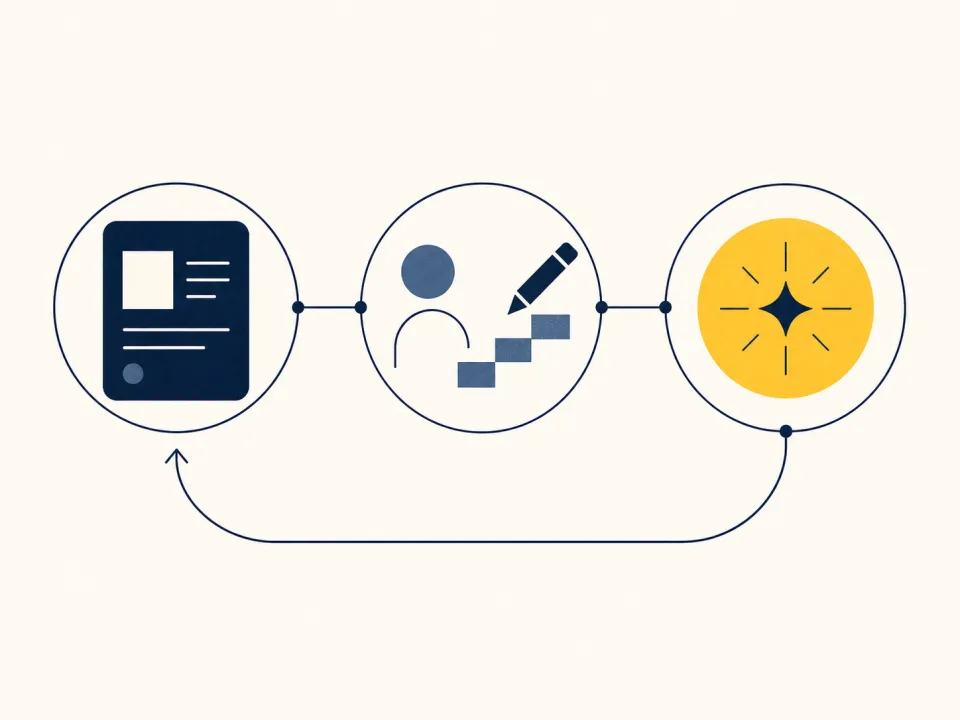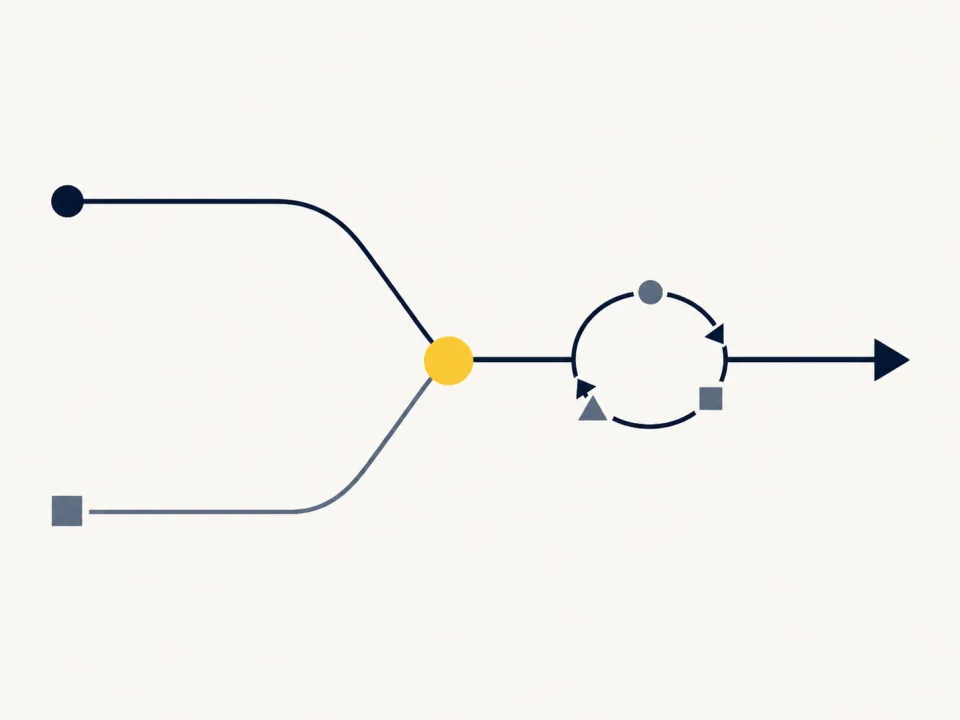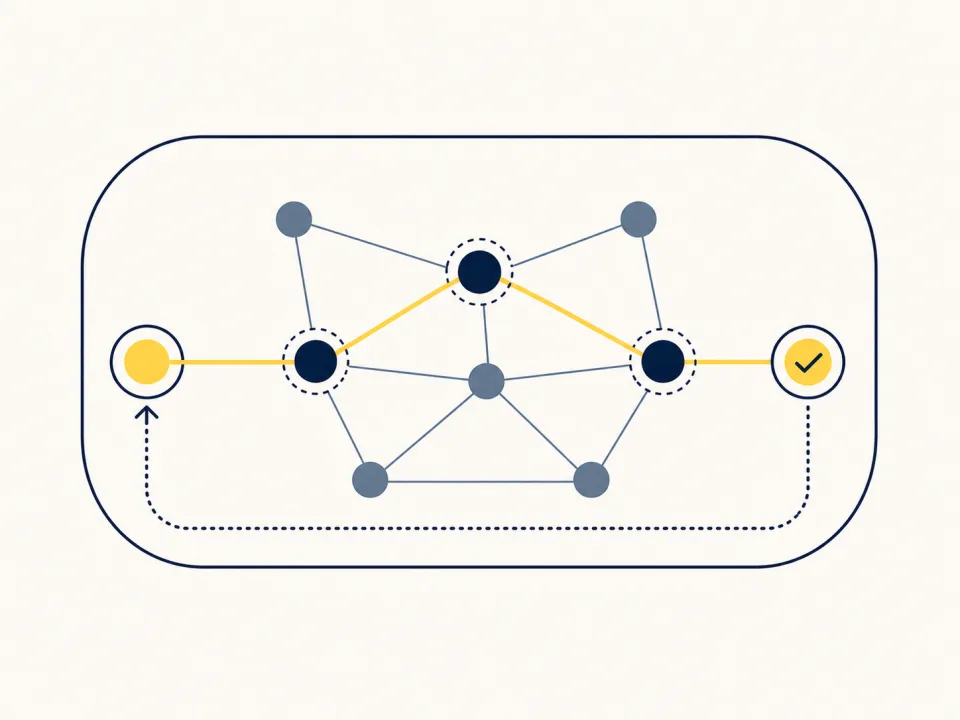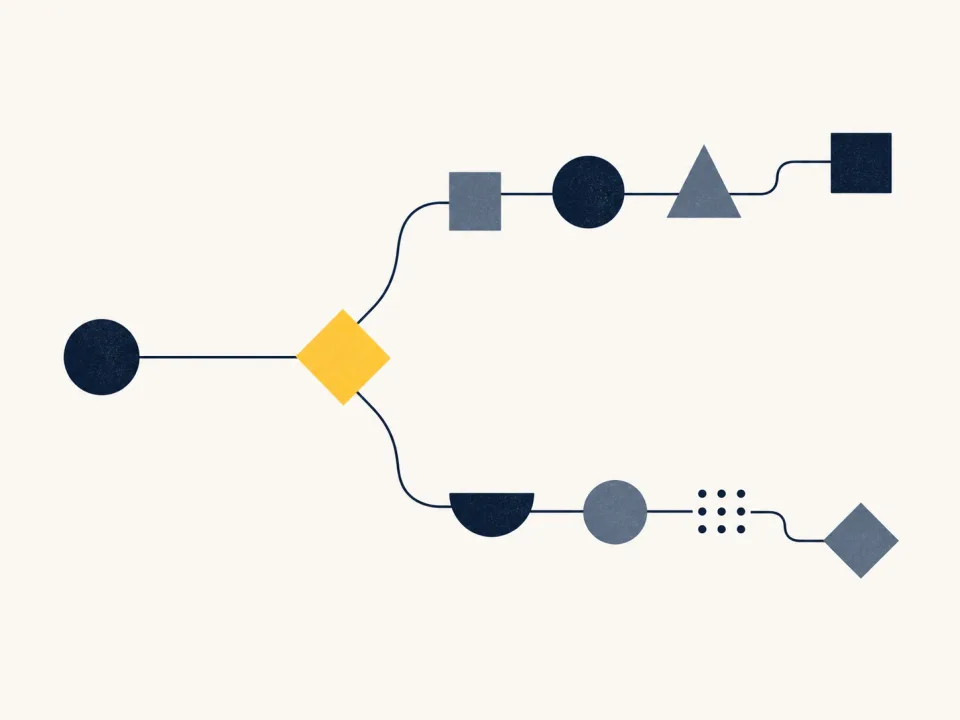
There's a comfortable idea in our field: that Product Marketing is a defined set of activities, and a good PMM is someone who runs them well. Positioning, messaging, launches, enablement, and competitive intelligence: learn the playbook, apply the playbook. I understand the appeal. A defined scope is reassuring, and it makes the role easier to hire for and easier to explain.
I don't think it holds. “A PMM is a PMM” is the same shortcut as “a CSM is a CSM.” It assumes a job title carries the same responsibilities everywhere, when in practice the work is shaped by things the title never mentions.
Start with the context
What actually decides the method is maturity: how mature the product is, how established its category is, and how well the underlying problem is already understood. Change those and you change the job, even if the title on the door stays the same.
Take a product that's six years old, in an established category, with pure-play competitors and users who already understand the problem they have. Here the question isn't does this problem exist? It does, and the market knows it. The useful questions are:
- What are people really trying to accomplish?
- What alternatives do they weigh?
- What do they do each morning, and which tools do they reach for?
- Where do those tools fall short?
This is where Jobs to Be Done earns its place: it helps me look at what users want to achieve functionally, emotionally, and socially, and that tells me which value propositions and benefits to put forward.
Now take a younger product, where the category itself is unclear. The work is broader and comes earlier. Before positioning anything, I have to ask whether we're entering an existing category or creating a new one, a decision that reaches back into strategy. That calls for wider market research and different tools: Porter's Five Forces, PESTEL, and the frameworks built for reading a market rather than reading a user. Reach for Jobs to Be Done here and you'll answer a question nobody was asking yet.
Frameworks are not the discipline
The frameworks aren't the discipline. They're instruments, and each one answers a particular kind of question well and other kinds badly. The actual skill sits one step earlier: naming the question you're trying to answer, then choosing the tool that fits, never the reverse.
I don't apply frameworks mechanically. I use them to structure my thinking, adapt them to the company I'm in, test them, and keep what actually works in that context. This is why I treat Product Marketing as a dynamic function rather than a fixed one. The same person, in two companies, doing honest work, can end up with two very different jobs because the context asked two different questions of them.
Where the claim stops
None of this means method is improvised or that every situation is unique enough to justify starting from scratch. That would be its own kind of laziness. Patterns repeat, frameworks travel, and looking at what works elsewhere is a sensible place to start.
The point isn't to discard the playbook. It's to stay clear-eyed that the playbook is a starting hypothesis about your context, not a description of it, and to keep adapting until the two actually match.