I use AI across my work, and I test far more than I keep. So this isn't skepticism. It's a working view formed by trying things, watching a fair number of them fail, and coming back to the ones that hold.
The view is this: AI's leverage in Product Marketing is real, but it's bounded by two things people are quick to skip past. Input quality, and governance.
Input quality is the ceiling
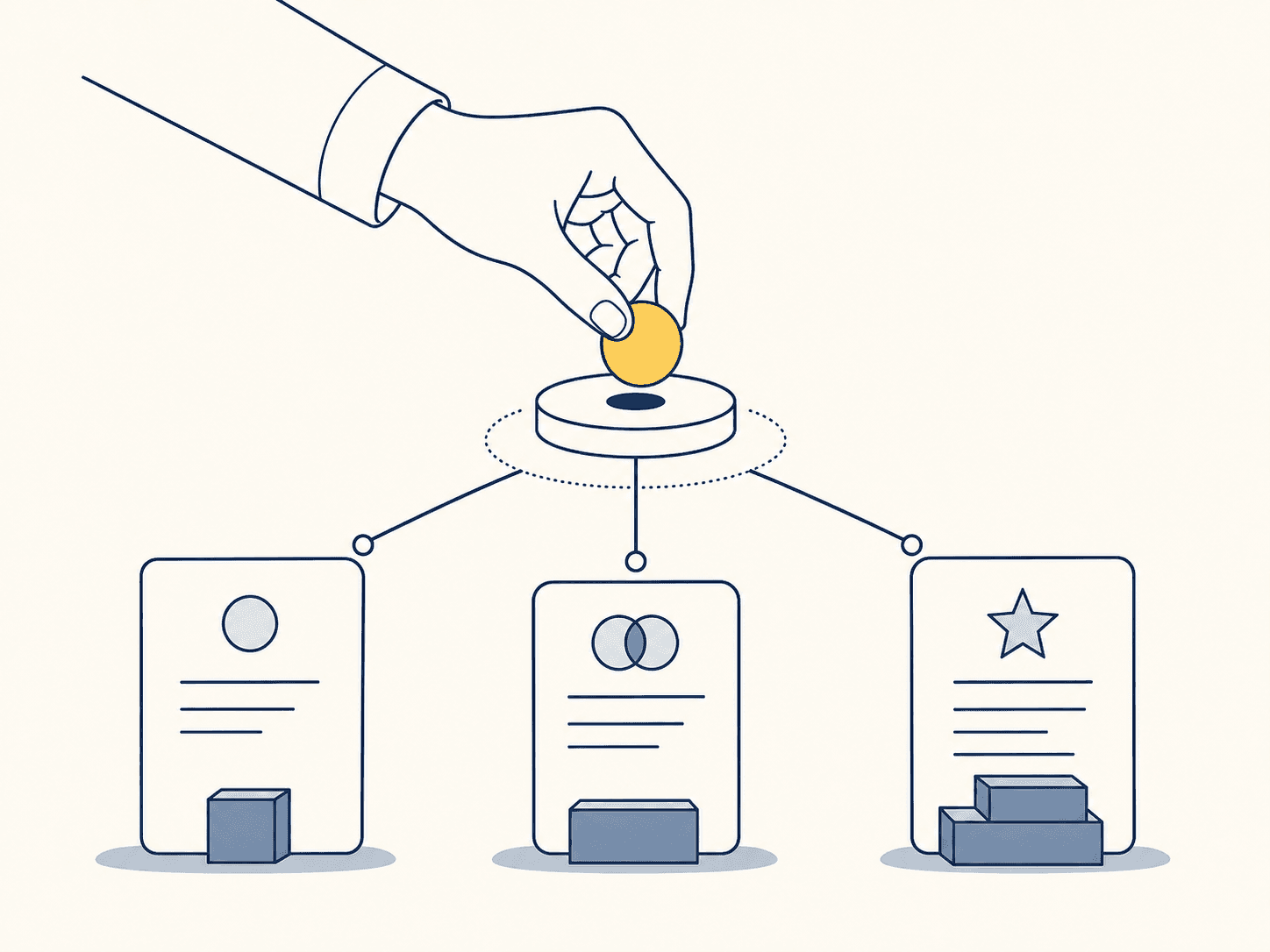
Input quality is the ceiling. These tools produce good work only when what goes in is accurate and validated: positioning, messaging, value propositions, and briefs that were actually checked.
Feed a model a shaky brief and it won't warn you; it will hand back confident, fluent output built on the shaky brief. The failure is quiet, which is exactly what makes it dangerous. So most of the real work happens before the prompt: making sure the source material deserves to be built on.
Stay close to the original source
There's also a line I don't let AI cross, because the value lives on the other side of it. It doesn't replace watching the actual sales call, and it doesn't replace visiting the competitor's real website and reading the original source.
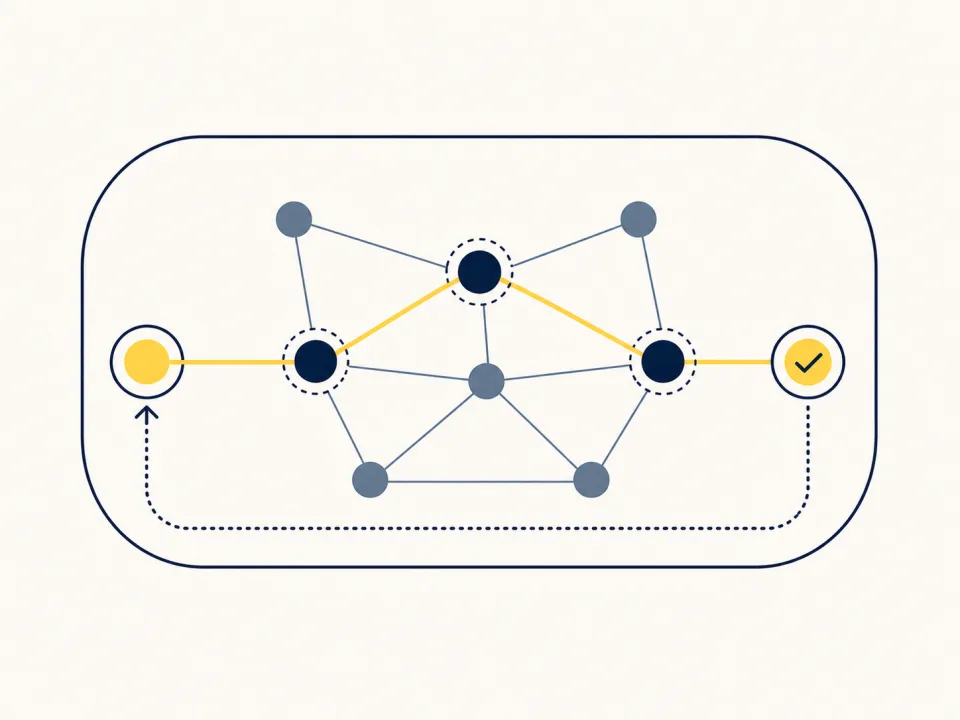
A transcript ranking can tell me a product objection came up repeatedly this week, which is genuinely useful, and I run it weekly. But when it flags something, I open the recording, because the subtleties that matter aren't always in the words. Tone, hesitation, and what didn't get said: human analysis is still more precise for that, and pretending otherwise means slowly losing touch with the reality the tool was supposed to bring me closer to.
Make the workflow reviewable
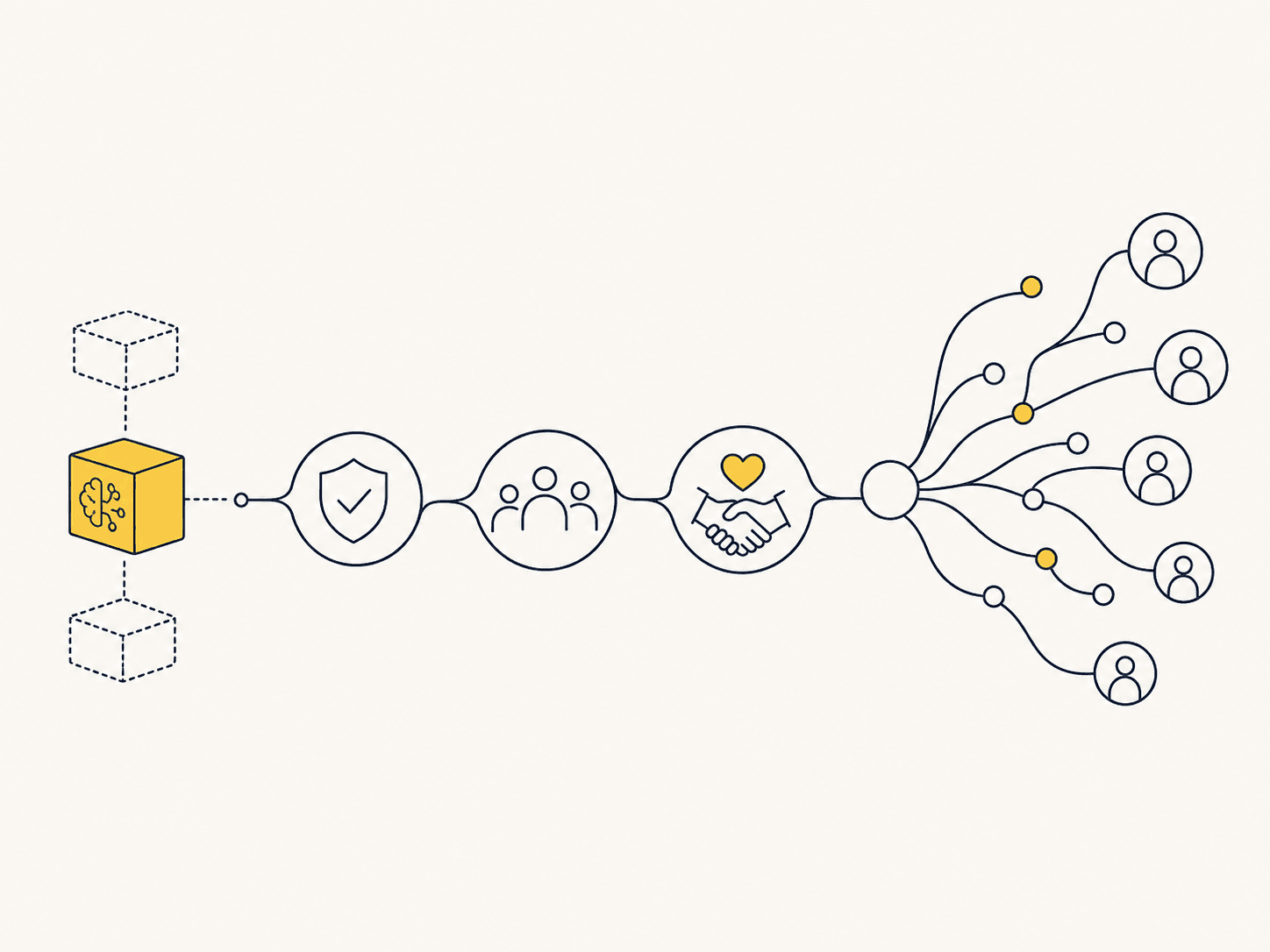
Governance is the other half. A workflow that connects an API to a model and posts the result into Slack is useful, but it can't be a private trick that lives in one person's head.
It needs peer review, feedback mechanisms, and colleagues from Product or Sales looking at the output, the same way product teams work. If a system only one person understands, it's fragile, and its quality drifts with no one watching. This matters more in regulated contexts, where clients audit you and adoption has to be careful rather than fast.
Where the claim stops
Governance shouldn't harden into bureaucracy that kills the very experimentation that makes these tools worth having. The point isn't to slow down. It's to make sure quality has a way of being checked and the useful things don't depend on a single person.
Test widely, keep what works, review what you keep. The magic-thinking version of AI skips straight to the output. The version that actually compounds is the one that stays honest about what goes in and who's watching what comes out.